Language
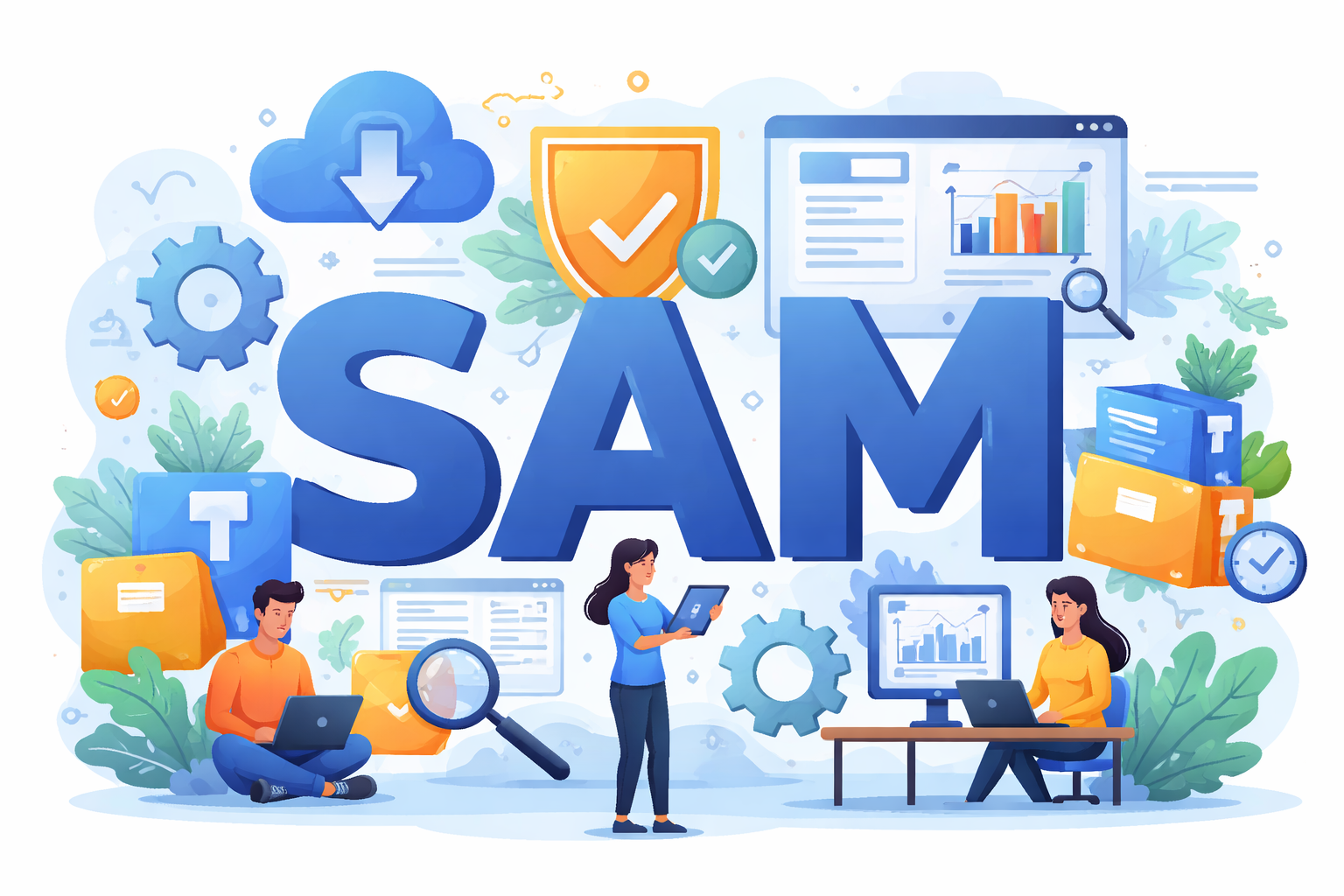
When people start exploring SAM or ITAM, the first step is to understand what exactly we’re managing. In most companies, IT asset management begins with a simple inventory of computers and hardware—because it’s the most familiar and straightforward part of asset tracking.
But as an organization grows and matures, it becomes clear that most costs and requirements—as well as business success and many risks—are tied not to “hardware,” but to software. That’s when the need arises to manage software and software assets—known as SAM (Software Asset Management).
At first glance, software may seem like just an application employees use, or something that supports an IT service. But from an asset management perspective, software has both legal and financial dimensions: cost, usage rights, and a lifecycle. That’s why SAM doesn’t start with licenses—it starts with a basic understanding of what software is as an asset.
Software is a program or set of programs that processes—or supports the processing of—digital information.
Examples: operating systems, office applications, CRM systems, databases, browsers.
Software is not data.
Documents, reports, and media files are not software.
Software can be executable or non-executable. For example:
Software can be developed in-house, downloaded as free/open-source software, purchased from a vendor, or provided via subscription (SaaS).
Snow Software (https://www.synta.pro/ru/technology/snow-software) defines a technology asset as an element of the IT environment that should deliver business value and be under control.
Software is an asset because:
In the next post, we’ll break down what SAM — Software Asset Management — really is, and why software management has become a discipline of its own.