Language
If you don't want to miss our blog posts and other news from the ITSM and ITAM world, subscribe to our Telegram channel!
In today’s world, business operations are almost entirely dependent on IT. The devices used by employees and those involved in delivering IT services exist within the infrastructure for years and directly affect costs, productivity, and security. Every laptop, server, or router is purchased, put into operation, depreciated, maintained, relocated, reassigned to new owners, and eventually retired. For this journey to be manageable, a company must see the technical and financial trajectory of an asset, not just the fact that it exists. According to data from the Freshservice Benchmark Report 2025, an implemented and well-structured IT Asset Management (ITAM) process makes it possible to reduce the Mean Time To Restore (MTTR) after incidents by more than 50%.
In practice, data about hardware is often distributed across different systems, part of the information is maintained manually, and the history of repairs and relocations is recorded inconsistently. This does not indicate the absence of asset tracking—it simply reflects a high share of manual work and insufficient transparency. As a result, it becomes difficult to understand where a device is located, what condition it is in, who is responsible for it, and whether there is a need to purchase a replacement. Ultimately, such gaps prevent management from making timely decisions about infrastructure development, cost reduction, and regulatory compliance, increase security risks, create licensing compliance issues, and lead to financial losses.
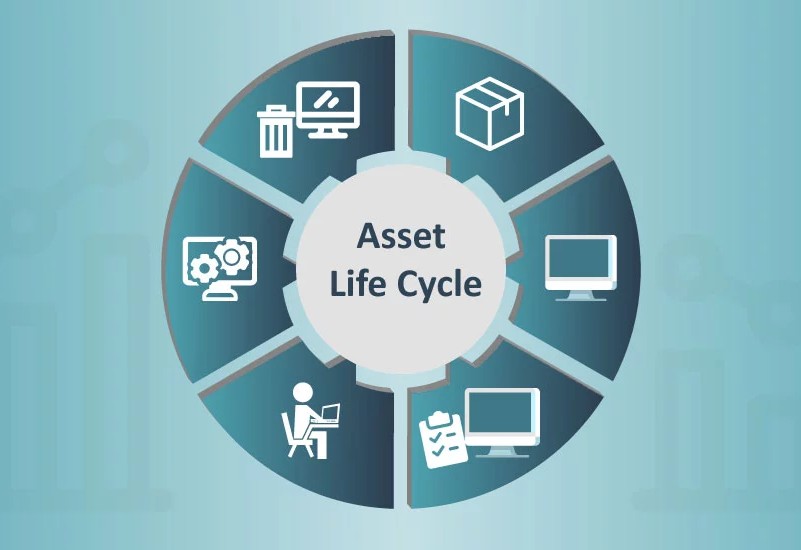
A properly designed and automated lifecycle helps form a holistic view of IT asset ownership—from the moment of purchase and document registration through operation, service requests, and retirement. At the same time, the company gains access not only to the technical history of the device, but also to key financial data—cost, warranty terms, and depreciation. This information is essential for calculating the cost of IT services, building budgets, and explaining to the business what infrastructure costs are made up of. Based on these insights, it becomes easier to decide whether to repair, replace, or reallocate equipment.
Effective lifecycle management is impossible without a combination of two elements: process discipline and accurate data. It is precisely the combination of ITSM and ITAM that creates the foundation for predictable and transparent asset management. ITSM platforms such as Freshservice, R-Service, or BMC Helix ITSM provide automation for various stages of the IT asset lifecycle—from equipment requests and approval workflows to documenting relocations, repairs, and write-offs. Each change is recorded as part of a controlled process and reflected both in the ticket history and in the IT asset record, which reduces the impact of the human factor and lowers operational costs.
In addition to basic financial information, automated ITAM platforms such as Flexera One, Snow, and Device42 capture the technical profile of a device, its status at each stage of the lifecycle, ownership and relocation history, service events, maintenance costs, warranty conditions, and the point at which supporting the asset becomes economically impractical. As a result, the company receives not just a list of equipment, but a complete picture of the cost and condition of each device—from procurement to retirement.
Together, they form a unified asset management ecosystem that allows companies to plan budgets, avoid unnecessary purchases, reduce the risk of incidents, and keep infrastructure up to date and secure.
It is important to understand that many ITSM systems (such as Freshservice, Jira Service Management, ManageEngine Service Desk Plus, and others) have their own inventory and IT asset data collection tools, but their capabilities in terms of management and financial decision-making are significantly limited.
This is where dedicated ITAM/SAM systems come into play. In this model, the ITSM system becomes the central platform for process management, including the IT asset lifecycle, while the ITAM system collects and supplies high-quality data about infrastructure and software to the ITSM system, and also analyzes IT asset data for financial reporting and potential cost and resource optimization.
As an example, let’s look at the integration of the Flexera One platform with the ITSM platforms from our portfolio—Freshservice and BMC Helix ITSM.
Freshservice does not have a ready-made connector to Flexera, so the integration is implemented via API.
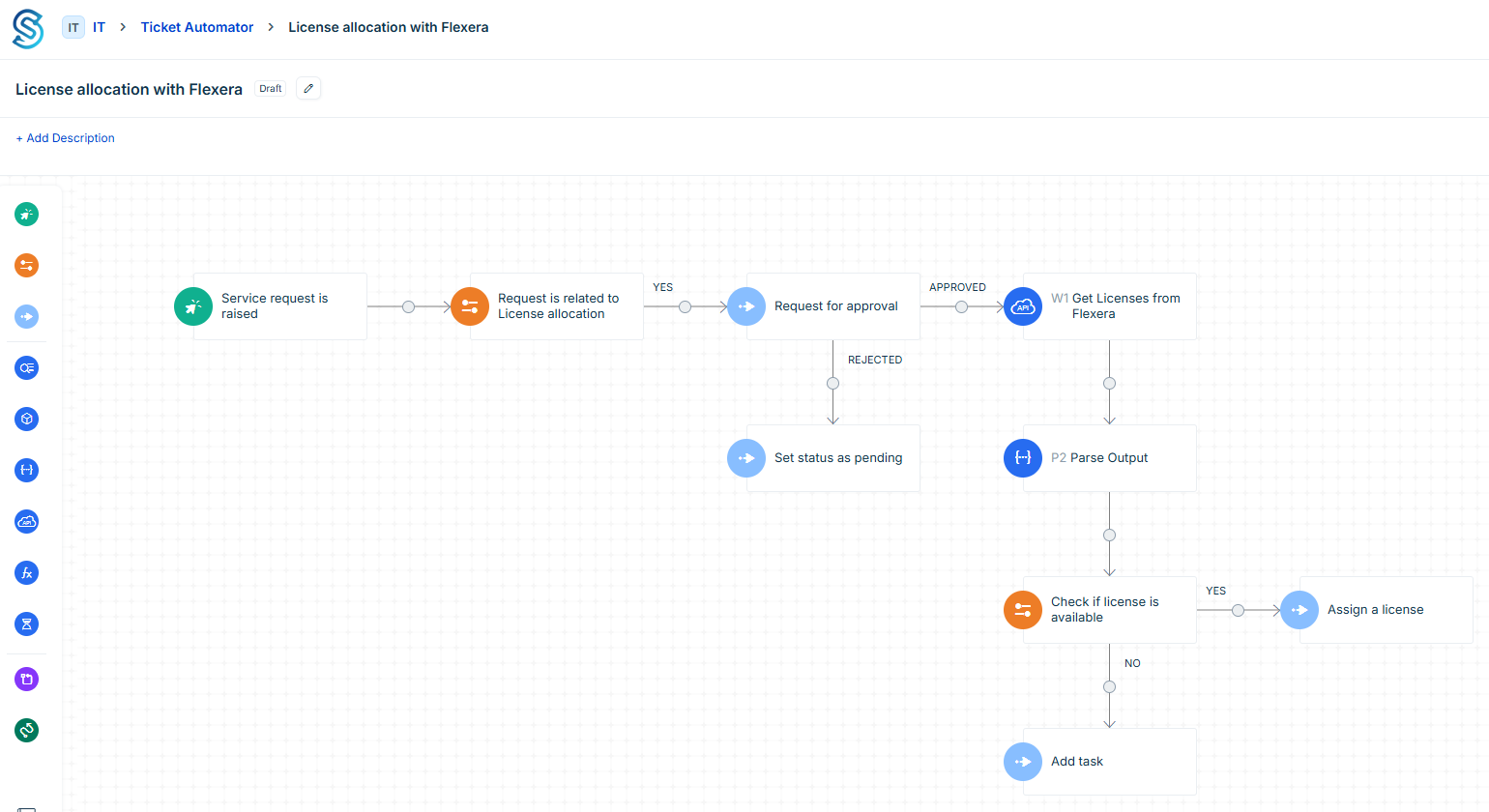
For example, an employee submits a request to install new software through Freshservice. The process in Workflow Automator is configured so that after manager approval, the system automatically checks in Flexera whether there is an available license in reserve and, if so, assigns it to the user; if not, it may create a task for the support or procurement team. In this way, the software asset receives a new status and is assigned to an owner—the entire process is recorded automatically, without manual intervention, and is linked to the service request.
In the case of BMC Helix ITSM, the process is even simpler, as BMC Helix has a connector to Flexera One and predefined blocks for working with Flexera.
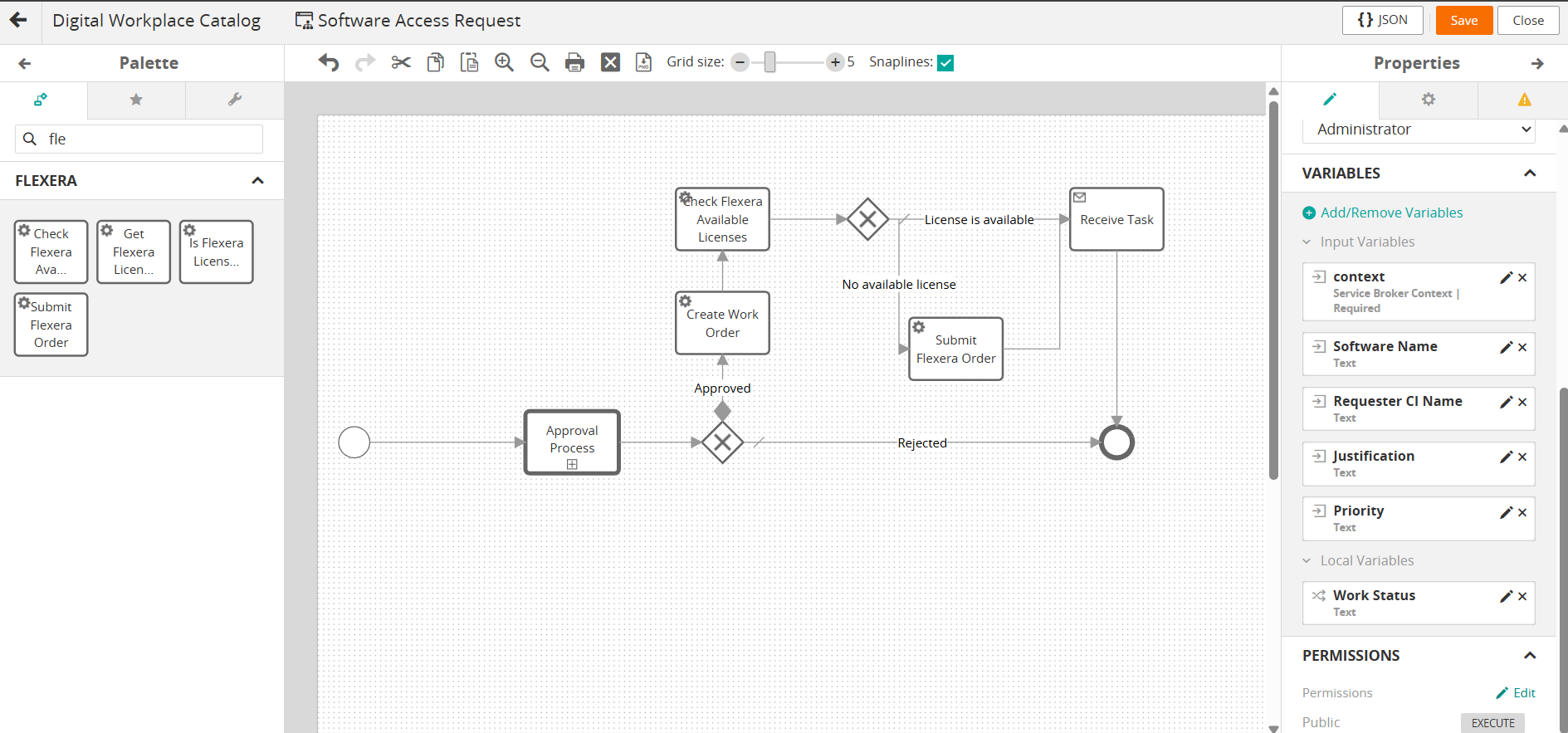
When a license is returned (for example, when an employee leaves the company), another automation process is triggered: a new ticket is created in ITSM, and the ITAM platform updates the license status and provides data on its current state. This makes it possible to decide whether to reallocate this intangible asset further or, for example, retire it.
Conclusion
Asset lifecycle management allows companies to see not only the state of their infrastructure, but also its real value. When technical and financial data are combined, the organization gains a clear understanding of how its IT environment is evolving and which decisions truly support long-term goals.
For the company, this means a more mature, resilient, and manageable environment, where assets are handled consistently and transparently. It is important to understand that building such a holistic view and a fully automated IT asset lifecycle is not a myth—it can be successfully implemented in any advanced ITSM system or in a combination of ITSM and SAM/ITAM systems. This is exactly the model that Synta helps companies implement in practice. We create a foundation for reliable and predictable IT infrastructure operations at all stages of its lifecycle, while reducing operational costs.